PedroVazPaulo Executive Coaching | Transform Your Leadership in 2026
PedroVazPaulo executive coaching changes how leaders think and act. Many executives feel stuck between daily operations and strategic vision. They struggle with decision-making pressure, team alignment, and personal growth barriers.
Here’s the truth: generic leadership training doesn’t work anymore. You need personalized guidance that fits your specific challenges. That’s exactly what PedroVazPaulo executive coaching delivers.
This coaching approach combines psychology with business strategy. It focuses on measurable results, not fluffy concepts. You’ll discover how to lead with confidence, influence stakeholders, and drive organizational change.
Ready to unlock your leadership potential? Let’s explore what makes this coaching program different.
What Makes PedroVazPaulo Executive Coaching Different?
Most coaching programs follow cookie-cutter templates. PedroVazPaulo executive coaching takes a different path.
The program starts with deep assessment. Coaches use 360-degree feedback and psychometric tools. They gather insights from your team, peers, and stakeholders. This reveals blind spots you didn’t know existed.
Personalization is the cornerstone. No two leaders face identical challenges. Your coach creates a custom roadmap based on your goals. Whether you’re navigating a merger or building team culture, the plan fits your reality.
The approach bridges mindset and action. You don’t just talk about change. You implement it through real-world experiments. Between sessions, you test new behaviors in actual work situations. Then you review results with your coach.
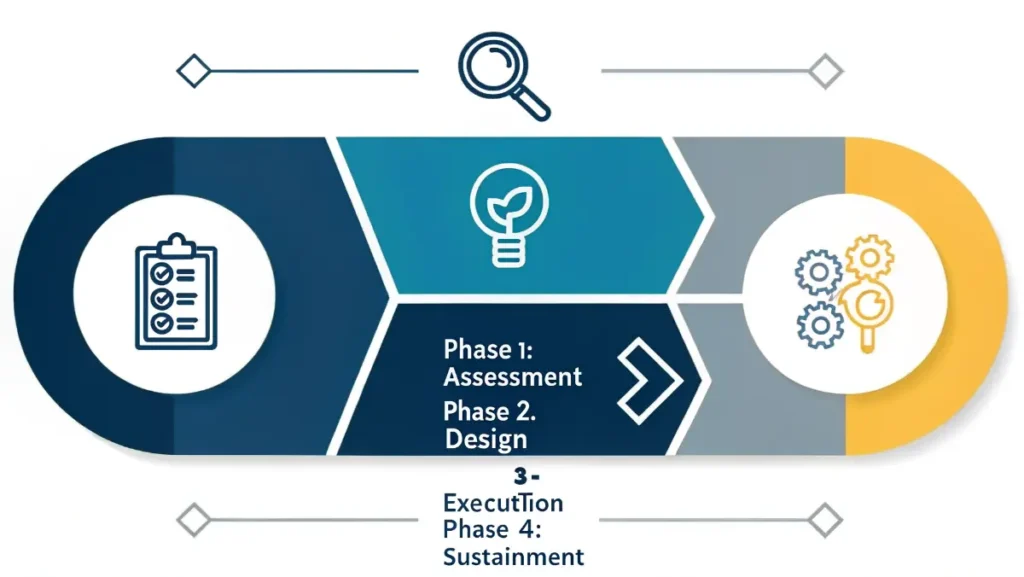
The Four-Phase Framework
The coaching process unfolds in distinct phases:
Assessment Phase: Your coach collects data through interviews and feedback. They identify your strengths and growth areas. This creates a baseline for measuring progress.
Design Phase: Together, you co-create specific goals and milestones. You define what success looks like. The coach tailors interventions to your context.
Execution Phase: You attend regular coaching sessions every 2-4 weeks. Each session lasts 60-90 minutes. You work on experiments between meetings. Feedback loops keep you on track.
Sustainment Phase: Follow-ups ensure lasting change. Your coach helps embed new habits. Progress tracking shows what’s working. Adjustments happen as your role evolves.
This structure adapts as you grow. It’s fluid, not rigid. Similar approaches in business consulting emphasize this adaptive methodology.
Top-Rated Coach Selection: Finding Your Perfect Match
Choosing the right coach determines your success. Not all coaches deliver equal results.
Start with credentials and experience. Look for proven track records with senior leaders. Ask about their coaching methodology and industry expertise. A top-rated coach should demonstrate tangible outcomes from past engagements.
Chemistry matters more than you think. Schedule an initial conversation before committing. Do they understand your worldview? Can you be vulnerable with them? Trust forms the foundation of effective coaching.
Key Selection Criteria
Here’s what separates exceptional coaches from average ones:
- Demonstrated ROI: They show measurable business impact from previous clients
- Flexibility: They adapt methods to your specific situation
- Ethical standards: They maintain strict confidentiality and professional boundaries
- Strategic thinking: They connect personal growth to organizational goals
- Challenge capability: They push you beyond comfort zones constructively

Ask for client references. Request examples of transformation stories. A quality coach welcomes these questions. They’re confident in their track record.
Don’t settle for the first option. Interview multiple coaches. Compare their approaches and philosophies. The right fit accelerates your growth exponentially.
Program Plans: Structured Paths to Leadership Excellence
PedroVazPaulo executive coaching offers multiple program plans. Each targets different leadership stages and needs.
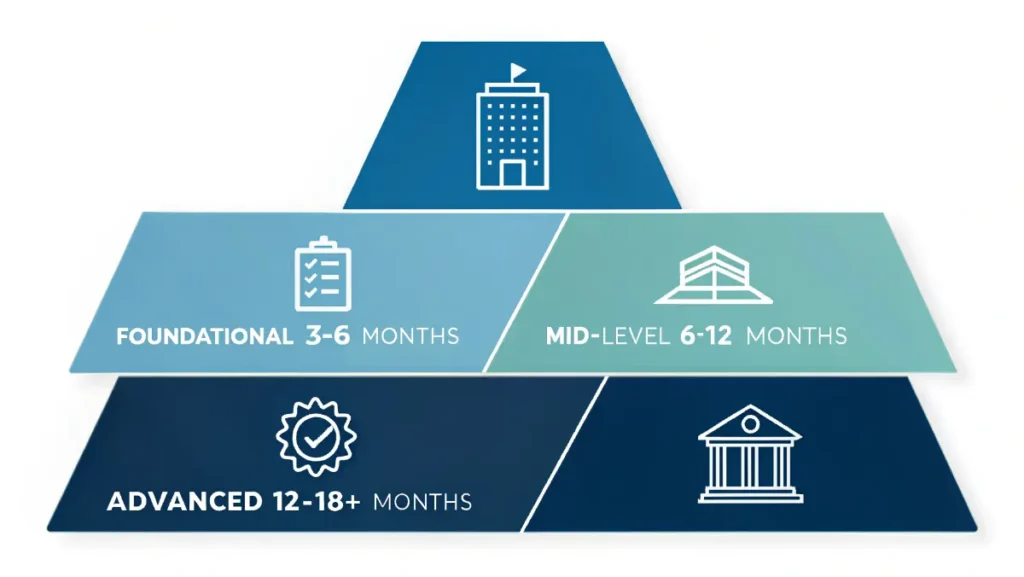
Foundational programs work best for emerging leaders. These typically run 3-6 months. Focus areas include communication, delegation, and time management. You build core competencies that support future growth.
Mid-level programs serve experienced managers. Duration extends to 6-12 months. Content covers strategic decision-making and executive presence. You develop emotional intelligence and influence skills.
Advanced programs target C-suite executives. These run 12-18 months with ongoing support. Topics include visionary leadership and organizational change. You master crisis management and succession planning.
Comparing Program Options
| Program Type | Duration | Best For | Key Focus |
|---|---|---|---|
| Foundational | 3-6 months | New managers | Core leadership skills |
| Mid-Level | 6-12 months | Senior managers | Strategic influence |
| Advanced | 12-18+ months | C-suite | Transformation & legacy |
Session frequency varies by program. Most meet every 2-4 weeks. Advanced programs might include unlimited email support. Some offer mastermind group sessions for peer learning.
The investment scales with program depth. Costs get customized based on your specific requirements. Think of it as investing in your leadership infrastructure.
The Process: How Executive Coaching Actually Works
Understanding the coaching process removes mystery and anxiety. Here’s what actually happens session by session.
Your first meeting establishes the foundation. The coach asks probing questions about your challenges. They explore your leadership history and aspirations. You discuss what success looks like for you.
Sessions follow a consistent rhythm. You review experiments from the previous period. What worked? What didn’t? Why? This reflection builds self-awareness and learning agility.
Then you tackle current challenges. Your coach provides frameworks and perspectives. They challenge assumptions holding you back. Together, you design new approaches to test.
Between-Session Work
Real growth happens between coaching calls. You conduct “practice experiments” in your daily work. These aren’t hypothetical exercises. They’re real situations with actual stakes.
For example, you might test a new communication approach in team meetings. Or experiment with delegation strategies on a live project. The coach helps you design these experiments strategically.
You document observations and results. Journaling captures insights and patterns. This data becomes fuel for the next coaching session. The iterative cycle accelerates development.
Progress tracking uses multiple metrics. Soft measures include confidence levels and team feedback. Hard metrics track financial performance and project outcomes. Both matter for comprehensive assessment.
Similar methodologies appear in operations consulting where implementation drives results.
Building Self-Awareness: The Foundation of Leadership Growth
Self-awareness separates great leaders from good ones. PedroVazPaulo executive coaching prioritizes this critical skill.
Most leaders operate on autopilot. They rely on ingrained patterns and habits. These worked in the past but may not serve their current role. Coaching illuminates these unconscious patterns.
360-degree feedback reveals hidden truths. Your team sees things you don’t. Peers notice patterns you miss. Stakeholders experience impacts you’re unaware of. This comprehensive view creates breakthrough moments.
Psychometric instruments add another layer. They assess personality traits, values, and thinking styles. Understanding your wiring helps you lead more authentically. You stop fighting your nature and leverage it instead.
Developing Emotional Intelligence
Self-awareness forms the base of emotional intelligence. From there, you develop:
- Self-regulation: Managing stress and maintaining composure under pressure
- Social awareness: Reading room dynamics and stakeholder emotions
- Relationship management: Building trust and navigating complex interpersonal situations
- Empathy: Understanding diverse perspectives across your organization
These skills transform how you show up as a leader. Teams respond differently when you operate with emotional intelligence. Decision quality improves when you factor in human dynamics.
The coaching process includes regular reflection practices. You examine your reactions to situations. You identify triggers and patterns. Over time, you gain mastery over your leadership presence.

Online Classes and Virtual Coaching: Flexibility Meets Effectiveness
Modern executive coaching adapts to your lifestyle. You don’t need to sacrifice convenience for quality.
Online classes and virtual sessions deliver full coaching impact. Video calls create intimacy similar to in-person meetings. Screen sharing enables collaborative work on documents and frameworks. Digital tools enhance the coaching experience.
Flexibility becomes a competitive advantage. You schedule sessions around board meetings and travel. Early morning or evening slots accommodate global time zones. No commute time means more efficient use of your day.
Virtual coaching opens access to top-rated coaches worldwide. Geography no longer limits your options. You can work with the perfect coach regardless of location. This expands possibilities dramatically.

Making Virtual Coaching Work
Success with online coaching requires simple preparation:
- Find a private, quiet space for sessions
- Use reliable internet and quality headphones
- Minimize distractions and close unnecessary apps
- Have materials ready for collaborative work
- Treat virtual sessions with same seriousness as in-person meetings
Many programs blend formats. You might do monthly in-person deep dives with virtual check-ins between. This hybrid approach balances connection with convenience.
Technology enables new coaching tools. Some coaches use apps for daily micro-reflections. Others employ digital scorecards for progress tracking. These innovations enhance accountability and momentum.
The coaching approaches have evolved significantly with digital transformation.
Measuring Success: ROI and Impact Metrics
PedroVazPaulo executive coaching emphasizes measurable outcomes. Vague promises don’t cut it anymore. You need clear evidence of value.
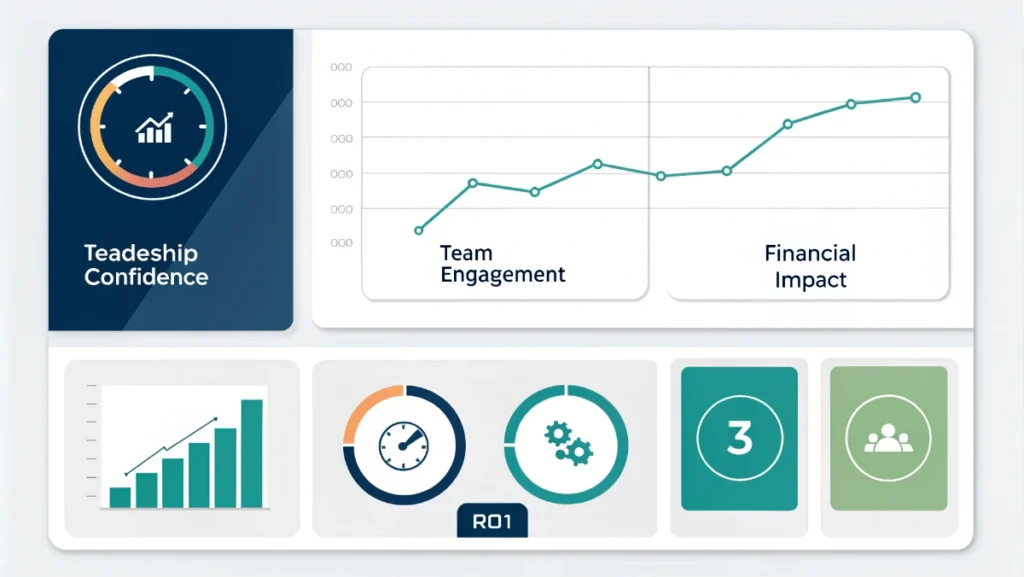
Success tracking uses dual metrics. Soft measures capture perception shifts and behavioral changes. Hard metrics demonstrate business impact and financial results. Both tell an important part of the story.
Soft metrics include:
- Leadership confidence scores
- Team engagement levels
- 360-degree feedback improvements
- Stakeholder relationship quality
- Stress management capability
Hard metrics track:
- Financial performance indicators
- Employee retention rates
- Project completion success
- Revenue growth attribution
- Operational efficiency gains
Creating Your Scorecard
Your coach helps design a personalized scorecard. It reflects your specific goals and context. Baseline measurements establish starting points. Regular check-ins track movement.
Most programs review metrics quarterly. This frequency balances responsiveness with meaningful data collection. Mid-engagement reviews allow course corrections. Final assessments show total transformation.
| Metric Category | Measurement Method | Review Frequency |
|---|---|---|
| Leadership Presence | 360-degree feedback | Every 6 months |
| Team Performance | Engagement surveys | Quarterly |
| Financial Impact | KPI dashboard | Monthly |
| Personal Growth | Self-assessment | Each session |
Post-engagement follow-ups assess sustainability. Coaches often check in at 6 and 12 months after completion. This reveals whether changes stuck or faded. It informs adjustments for long-term success.
The data-driven approach justifies your investment. It demonstrates ROI to your organization. More importantly, it shows you’re making real progress.
The Art of Leadership Transformation
Leadership isn’t just science—it’s also art. PedroVazPaulo executive coaching embraces this duality.
The art emerges in how you show up. It’s your presence in high-stakes moments. The way you inspire teams during uncertainty. How you navigate political dynamics with grace.
Coaching develops your unique leadership signature. You’re not copying someone else’s style. You’re discovering and refining your authentic approach. This makes your leadership sustainable and powerful.
The process includes exploring your values and purpose. What drives you? What legacy do you want to create? These questions shape your leadership identity. They provide north stars for difficult decisions.
Narrative techniques help rewrite limiting stories. Maybe you see yourself as “not strategic enough” or “too direct.” Coaching challenges these narratives. You discover new, empowering stories about your capabilities.
Strategic thinking in leadership often parallels strategy consulting methodologies.
Common Challenges and How to Overcome Them
Every coaching engagement faces obstacles. Knowing them in advance helps you navigate successfully.
Resistance is the first hurdle. Change feels uncomfortable. Your brain prefers familiar patterns. Even when you want growth, part of you resists. Acknowledge this tension rather than fighting it.
Vulnerability requirements catch many executives off-guard. Coaching demands honesty about weaknesses and fears. This feels risky in cultures that reward strength projection. Trust in confidentiality helps you open up.
Time commitment challenges emerge quickly. Between-session work requires discipline. Experiments demand attention during busy periods. You must prioritize coaching or it becomes another abandoned initiative.
Solutions That Work
Combat resistance through small experiments. Test new behaviors in low-stakes situations first. Build confidence before tackling bigger challenges. Momentum creates motivation.
Create accountability structures. Share goals with your coach and key stakeholders. Schedule experiments in your calendar like critical meetings. Track progress visibly.
Address misalignment early. If your coach’s approach doesn’t fit, speak up. If organizational support wavers, involve sponsors. Open communication prevents derailment.
Unrealistic expectations sabotage progress. Leadership transformation takes time. Celebrate small wins along the journey. Trust the process rather than demanding overnight change.
The marketing consulting field shows similar patterns in client transformation journeys.
Future-Proofing Your Leadership
The leadership landscape evolves constantly. PedroVazPaulo executive coaching prepares you for what’s coming.
AI and technology change how leaders operate. You need skills in digital transformation and data-driven decision-making. Coaching incorporates these emerging capabilities into development plans.
Remote and hybrid work demands new leadership approaches. Building culture across distance requires different tactics. Virtual influence operates by different rules. Coaching adapts to these realities.
Stakeholder expectations shift toward authenticity and purpose. Leaders must articulate meaningful vision beyond profit. They need cultural intelligence for diverse, global teams. Coaching develops these contemporary competencies.
Staying Ahead
Continuous learning becomes non-negotiable. Your coaching program might end, but development never does. Build habits that sustain growth independently.
Some programs offer ongoing retainers. You maintain access to your coach for periodic check-ins. This supports you through new challenges as they arise. It extends the coaching relationship organically.
Peer networks amplify learning. Mastermind groups connect you with other coached leaders. You share insights and support each other’s growth. These relationships often outlast formal coaching.
The investment in coaching compounds over time. Skills you develop open new opportunities. Behaviors you master influence your team and organization. Legacy you create extends far beyond your tenure.
Frequently Asked Questions
Conclusion: Your Leadership Journey Starts Now
PedroVazPaulo executive coaching transforms how you lead and influence. It combines psychological insight with practical business strategy. You get personalized guidance tailored to your specific challenges.
The process builds self-awareness, strategic thinking, and executive presence. Through structured plans and proven methodologies, you achieve measurable results. Both soft and hard metrics demonstrate your growth and organizational impact.
Whether you choose online classes or in-person sessions, the flexibility accommodates your schedule. Top-rated coaches guide you through experiments and breakthroughs. The investment compounds as you develop capabilities that serve you for decades.
Don’t settle for generic leadership training. Your challenges deserve customized solutions. Your potential deserves expert guidance.
Take the first step today. Explore which program plan matches your current needs. Connect with a coach who understands your context. Your future leadership self is waiting.