
Management Tips Ftasiastock: Practical Strategies for Modern Leaders
Management Tips Ftasiastock offers proven strategies for today’s business leaders. Many managers struggle with team motivation, productivity, and decision-making in fast-changing markets. This guide shows you how to lead effectively using practical methods that actually work.
You’ll learn actionable techniques that boost team performance. These aren’t theory-heavy concepts. They’re real strategies used by successful managers across industries.
The challenge? Most leadership advice feels generic and disconnected from reality. You need something different. Something that addresses real workplace problems.
That’s exactly what you’ll find here. Short, clear strategies. No corporate jargon. Just straightforward management wisdom you can implement today.
Whether you’re managing a small team or overseeing multiple departments, these tips will help. You’ll discover how to communicate better, delegate smarter, and drive results faster.
Ready to transform your leadership approach? Let’s dive in.
Understanding Management Tips Ftasiastock Framework
Management Tips Ftasiastock combines traditional leadership with modern business intelligence. It’s not just about managing people. It’s about creating systems that work.
The framework focuses on five core principles. Transparency builds trust within teams. Accountability ensures everyone owns their results. Empowerment gives team members real responsibility. Adaptability helps you respond to market changes. Empathy creates stronger team connections.
These principles aren’t buzzwords. They’re actionable foundations for better management.
Why This Framework Matters
Research shows managers drive 70% of employee engagement variance. That’s huge. Your management style directly impacts your team’s performance and satisfaction.
Traditional management often fails because it’s too rigid. Markets change fast. Technology evolves constantly. Teams need flexibility to thrive.
Management Tips Ftasiastock addresses this gap. It merges leadership psychology with data-driven decision-making. You get the best of both worlds.
The Modern Management Challenge
Today’s workplace looks different than five years ago. Remote teams are common. AI tools reshape workflows. Employee expectations have shifted dramatically.
You need fresh approaches. Old-school command-and-control doesn’t work anymore. Teams want autonomy and purpose, not micromanagement.
That’s where these management tips become invaluable. They’re designed for today’s reality, not yesterday’s business world.
Setting Clear Goals Using SMART Framework
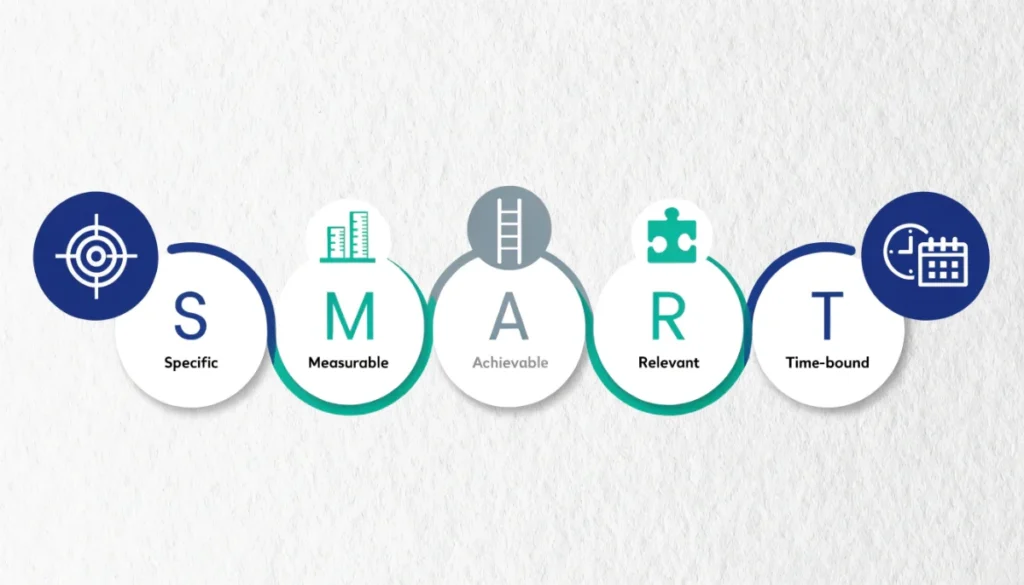
Goals drive everything in management. But vague goals create confusion and frustration.
The SMART framework solves this problem. Every goal should be Specific, Measurable, Achievable, Relevant, and Time-bound.
Here’s how it works in practice:
Specific: “Increase website traffic” becomes “Increase organic website traffic by 25%.”
Measurable: Use analytics to track progress weekly. Numbers don’t lie.
Achievable: Match your goals to available resources. Unrealistic targets demotivate teams.
Relevant: Align goals with company objectives. Random goals waste energy.
Time-bound: Set clear deadlines. “In three months” beats “eventually.”
Implementing SMART Goals
Start with your biggest priority. Break it into smaller milestones. Assign clear ownership for each milestone.
Track progress visibly. Use dashboards or shared documents. Transparency keeps everyone aligned.
Review goals quarterly. Markets change. Your goals should adapt too.
When team members understand exactly what success looks like, performance improves dramatically. Clarity eliminates guesswork and wasted effort.
Building High-Performance Teams Through Communication
Communication makes or breaks management success. Poor communication kills productivity faster than anything else.
Daily stand-ups boost task completion by 20-30%. That’s significant. Just 10 minutes each morning creates massive value.
Creating Communication Systems
Use transparent channels consistently. Slack, Teams, or similar tools work well. Everyone should know where to find information.
Schedule regular check-ins. Weekly team meetings maintain alignment. One-on-ones address individual concerns.
Make feedback flow both ways. Top-down communication isn’t enough. Listen to your team’s input actively.
Avoiding Communication Pitfalls
Don’t assume people understand unclear messages. Be explicit and direct. Ambiguity creates problems.
Respond promptly to questions. Delayed responses signal that people’s time doesn’t matter.
Document important decisions. Memory fails. Written records prevent confusion later.
For businesses exploring digital transformation, understanding crypto payment integration can complement modern communication infrastructure.
Delegating Effectively for Team Growth
Delegation isn’t dumping work on others. It’s strategic task distribution that develops your team.
Assign tasks based on three factors: skill match, experience level, and growth potential. This approach builds capability while getting work done.
Smart Delegation Strategies
Match complex tasks to experienced team members. Give stretch assignments to those ready for growth. Provide support and resources needed for success.
Trust people with ownership. Micromanaging after delegating defeats the purpose. Set clear expectations, then step back.
Check progress without hovering. Regular updates keep you informed without undermining autonomy.
Building Through Delegation
Delegation creates future leaders within your team. People develop skills by handling real responsibilities.
Start small if you’re uncomfortable delegating. Gradually increase task complexity as trust builds.
Document processes as you delegate. This creates knowledge transfer and reduces dependency on any single person.
Many managers exploring starting a crypto business find that effective delegation becomes even more critical in fast-moving digital markets.
Leveraging Technology for Management Excellence
Technology transforms how effective managers work. The right tools multiply your impact dramatically.
Task management platforms like Asana or Trello organize workflows visually. Everyone sees what needs doing and by when.
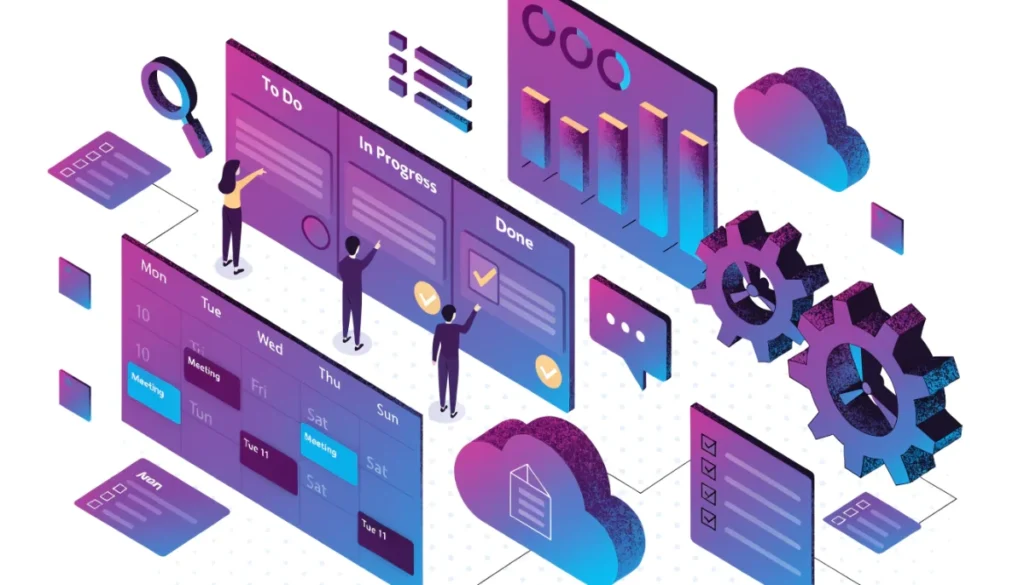
Documentation tools like Notion centralize knowledge. No more hunting through endless email threads.
Data visualization with Power BI turns numbers into insights. See patterns and trends instantly.
Automation through Zapier eliminates repetitive tasks. Your team focuses on work that actually matters.
Choosing the Right Tools
Don’t adopt every new tool available. Focus on solving specific problems. Too many tools create confusion.
Start with one category. Master it before adding more. Implementation matters more than features.
Train your team properly. Unused tools waste money and create friction.
Those interested in emerging technologies should explore industry-specific cryptocurrencies to understand how different sectors adopt innovation.
Developing Emotional Intelligence as a Leader
Emotional intelligence (EQ) separates good managers from great ones. Technical skills get you hired. EQ determines your leadership success.
High EQ managers build stronger, more cohesive teams. They handle conflicts better and make smarter decisions under pressure.
Building Your EQ
Practice active listening during conversations. Focus completely on the speaker. Don’t plan your response while they’re talking.
Manage your stress through mindfulness techniques. Calm leaders create calm teams.
Respond thoughtfully instead of reacting emotionally. Pause before responding to challenging situations.
Celebrate team wins genuinely. Recognition strengthens relationships and motivation.
EQ in Daily Management
Notice team energy levels. Adjust your approach based on what people need.
Acknowledge emotions without dismissing them. “I understand this is frustrating” validates feelings.
Give feedback with empathy. Criticism delivered harshly damages relationships unnecessarily.
For a broader perspective on decision-making in volatile markets, review insights from PedroVazPaulo crypto investment strategies.
Data-Driven Decision Making
Intuition has its place. But data prevents costly mistakes.
Managers using analytics identify project risks 40% earlier than those relying solely on gut feeling. That advantage is enormous.
Implementing Data-Driven Management
Track key metrics consistently. Employee engagement, project completion rates, customer satisfaction scores matter most.
Use real-time analytics when possible. Outdated data leads to outdated decisions.
Look for patterns over time. Single data points mislead. Trends tell the real story.
Balancing Data and Intuition
Data informs decisions. It doesn’t make them for you. Combine numbers with experience and context.
Ask what the data isn’t showing you. Every metric has blind spots.
Test assumptions with small experiments. Data reveals what works before you commit fully.
Understanding what is cryptocurrency provides context for how data transparency reshapes modern financial management.
Managing Conflicts Professionally
Conflict happens in every workplace. How you handle it determines team health.
Ignoring problems makes them worse. Address issues early before they escalate.
Five-Step Conflict Resolution
Listen actively without taking sides. Understand each perspective fully.
Identify root causes. Surface symptoms differ from underlying issues.
Encourage open dialogue. Let parties discuss concerns directly when appropriate.
Mediate objectively. Stay neutral and fair throughout the process.
Document solutions and follow up. Accountability prevents recurring issues.
Creating Conflict-Positive Culture
Some conflict drives innovation. Disagreement about ideas differs from personal attacks.
Set ground rules for respectful disagreement. Make it safe to challenge ideas constructively.
Model the behavior you expect. Handle criticism of your decisions gracefully.
Providing Feedback That Drives Growth

Feedback shapes performance more than any other management tool. But most feedback fails because it’s vague or poorly timed.
Use the SBI model: Situation, Behavior, Impact, Improvement.
Situation: “In yesterday’s client meeting…”
Behavior: “You interrupted the speaker multiple times…”
Impact: “It made others hesitant to share ideas…”
Improvement: “Try waiting until they finish before adding input.”
Feedback Best Practices
Give feedback promptly. Waiting weeks makes it less effective.
Be specific always. “Good job” means nothing. “Your presentation clearly explained complex data to non-technical stakeholders” creates real value.
Balance positive and developmental feedback. Constant criticism demoralizes people.
Focus on behaviors, not personality. “You need to be more organized” attacks character. “Try using a task list to track deadlines” offers actionable guidance.
Exploring diverse investment strategies like choosing right cryptocurrency demonstrates how specific criteria beat vague preferences.
Continuous Learning and Team Development
Teams that learn together perform better consistently. 94% of employees stay longer at companies investing in development.
That statistic alone justifies prioritizing learning initiatives.
Building Learning Culture
Offer course reimbursements for relevant skills. Show you value growth financially.
Host learning sessions weekly or monthly. Team members can teach each other new skills.
Encourage conference attendance. External perspectives spark innovation.
Create mentorship programs. Pair experienced team members with newer ones.
Making Learning Practical
Connect learning to real work challenges. Abstract training rarely sticks.
Give people time for learning during work hours. Expecting them to learn on personal time signals it’s not really important.
Celebrate newly acquired skills publicly. Recognition reinforces learning behavior.
For professionals interested in emerging technologies, resources about cryptocurrency Pi Network offer insights into innovative ecosystems.
Avoiding Common Management Mistakes
Even experienced managers fall into predictable traps. Awareness prevents these errors.
Micromanagement destroys trust and creativity. If you hired capable people, let them work.
Ignoring feedback from your team signals their input doesn’t matter. People disengage quickly when unheard.
Poor time allocation creates burnout. Prioritize ruthlessly. Not everything deserves your attention.
Neglecting emotional intelligence makes you seem robotic or uncaring. Technical competence alone isn’t enough.
Self-Assessment Questions
Ask yourself regularly: Am I solving problems my team should handle themselves?
Do I respond to feedback defensively or openly?
Are my priorities aligned with actual business impact?
Do team members feel comfortable being honest with me?
Understanding broader market contexts through resources like ftasiastock tech markets crypto guide helps managers avoid narrow thinking.
Adapting Management Styles to Modern Workplaces
The workplace evolved dramatically in recent years. Your management approach must evolve too.
Remote and hybrid work require different strategies than traditional offices. You can’t manage by walking around when teams are distributed.
Hybrid Management Strategies
Use video calls strategically. Too many drain energy. Too few lose connection.
Create clear work hours expectations. Flexibility matters, but so does availability.
Trust output over activity. Remote work focuses on results, not time spent at desks.
Invest in collaboration tools properly. Poor technology hampers remote teams unnecessarily.
Staying Agile
Review management strategies quarterly. What worked last year might not work now.
Ask your team what they need. Their daily experience reveals what you might miss.
Experiment with small changes. Test new approaches before full implementation.
Measuring Management Success
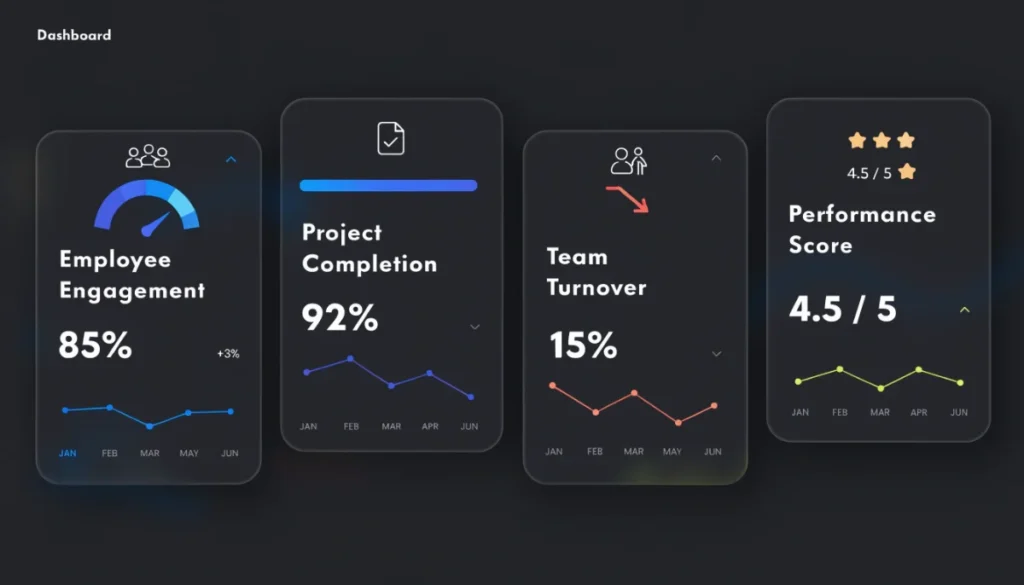
You can’t improve what you don’t measure. Track these key indicators:
Employee engagement scores reveal team satisfaction and motivation levels.
Project completion rates show how effectively work gets done.
Team turnover indicates whether people want to stay or leave.
Performance metrics specific to your industry matter most.
Creating Measurement Systems
Use surveys regularly but not too frequently. Quarterly engagement surveys work well.
Track metrics visually on dashboards. Transparency motivates improvement.
Compare trends over time, not absolute numbers. Progress matters more than perfection.
Share results with your team. Openness about performance builds trust.
For those exploring digital asset management, understanding how to buy and invest in cryptocurrency parallels tracking investment portfolio performance.
Management Tips Ftasiastock Implementation Roadmap
Ready to implement these strategies? Follow this practical roadmap:
Month 1: Assess current team performance. Identify specific weaknesses and strengths clearly.
Month 2: Introduce SMART goals framework. Train team on goal-setting best practices.
Month 3: Implement communication systems. Establish regular meeting rhythms and feedback loops.
Month 4: Roll out technology tools gradually. Ensure proper training and adoption support.
Month 5: Schedule skill development initiatives. Create learning opportunities based on team needs.
Month 6: Evaluate progress comprehensively. Track improvements against baseline metrics established.
Staying Consistent
Change takes time. Don’t expect overnight transformation.
Focus on one improvement area monthly. Trying everything simultaneously overwhelms teams.
Celebrate small wins publicly. Momentum builds from visible progress.
Exploring how cryptocurrency evolved demonstrates how consistent adoption drives mainstream acceptance.
Real-World Success Stories
A marketing agency implemented Management Tips Ftasiastock framework completely. Within three months, productivity increased 35%.
They focused on clear communication, smart delegation, and data-driven decisions. Results followed naturally.
Another example: A Singapore-based fund used similar data-driven management approaches. They outperformed market benchmarks by 18% annually.
The common thread? These organizations prioritized structured management over reactive leadership.
Key Success Factors
They committed fully to implementation. Half-measures produce half-results.
Leadership modeled desired behaviors consistently. Teams follow examples, not just instructions.
They measured progress objectively. Data kept them honest about what worked.
Future of Management in Digital Age
Technology continues reshaping management practices. AI tools automate routine tasks. Data analytics provide deeper insights faster.
But human elements remain irreplaceable. Empathy, creativity, and relationship-building can’t be automated.
Successful managers blend technological capabilities with human leadership skills. That combination creates sustainable competitive advantage.
Preparing for Tomorrow
Stay curious about emerging tools and methods. The learning never stops.
Build adaptable systems, not rigid processes. Flexibility matters more than perfection.
Invest in developing your team’s capabilities continuously. Their growth determines your long-term success.
For broader context on digital transformation, resources about classroom 15x show how different sectors adapt to technological change.
Frequently Asked Questions
Conclusion
Management Tips Ftasiastock provides practical strategies for modern leaders. You’ve learned how to set clear goals, communicate effectively, and leverage technology wisely.
The framework emphasizes transparency, accountability, and adaptability. These principles drive real results in today’s business environment.
Remember: great management combines data-driven decisions with emotional intelligence. Neither alone succeeds long-term.
Start implementing one strategy this week. Track your results. Adjust based on what works for your specific team.
Your leadership directly impacts 70% of employee engagement. Make it count. Take action today and watch your team’s performance transform.